
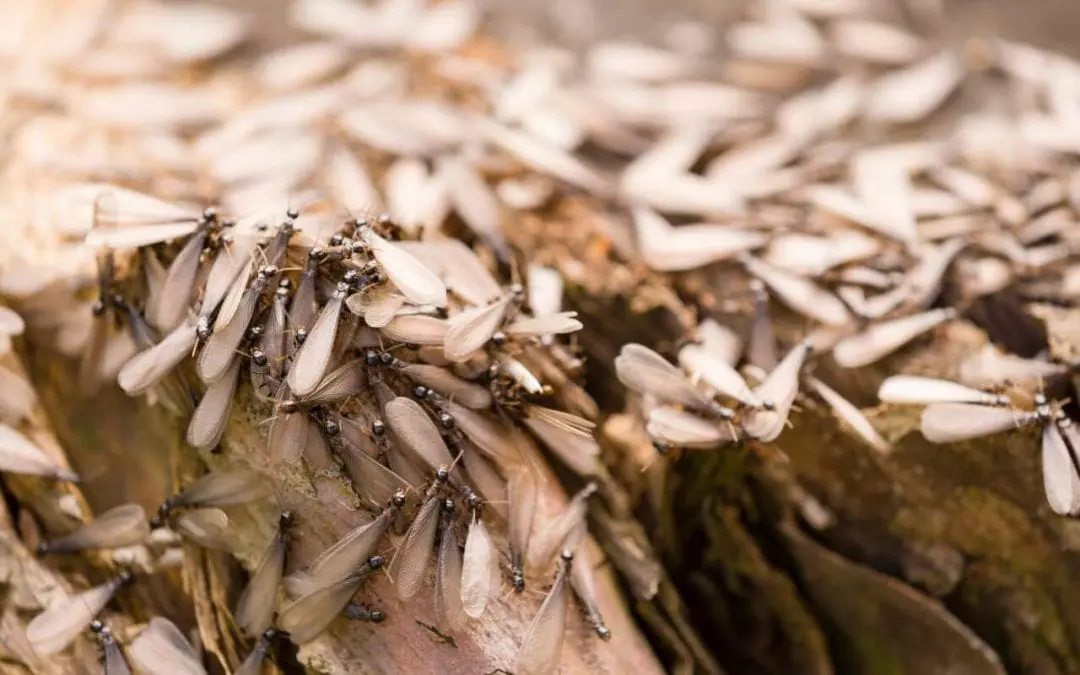
Termites and other wood-destroying insects can damage structural framing, trim, flooring, and other wood components without obvious warning. A WDI inspection gives a homebuyer a focused evaluation for visible evidence of infestation, previous activity, and conditions that can make a property more vulnerable.
What Is a WDI Inspection?
WDI stands for wood-destroying insect. Depending on the property and region, an inspection may address termites as well as carpenter ants, carpenter bees, and wood-boring beetles. The inspector evaluates visible and accessible areas for evidence such as shelter tubes, damaged wood, insect activity, discarded wings, exit holes, and signs of previous treatment.
A WDI inspection is different from a general residential home inspection. The two services work well together: the home inspection evaluates the home’s major systems and structure, while the WDI inspection concentrates on insect-related evidence and risk conditions.
Common Signs of Termite Activity
Mud or Shelter Tubes
Subterranean termites build narrow tubes from soil and wood fibers to travel between the ground and a food source. These tubes are commonly found along foundation walls, piers, sill plates, and penetrations.
Damaged or Hollow-Sounding Wood
Termites often consume wood from the inside. Framing, trim, or flooring may appear intact until it is probed or tapped. Soft areas, blistered finishes, or wood that sounds hollow can warrant closer evaluation.
Swarmers and Discarded Wings
Winged reproductive termites may emerge seasonally. Small piles of similar-sized wings near windows, doors, foundations, or light sources can indicate a nearby colony, although other insects can look similar.
Moisture and Wood-to-Soil Contact
Plumbing leaks, poor drainage, damp crawlspaces, clogged gutters, buried siding, and wood touching soil do not prove an infestation. They do create favorable conditions and should be corrected to reduce risk.
What the Inspection Can—and Cannot—Determine
A WDI inspection is a visual evaluation of accessible areas. Finished walls, stored belongings, insulation, flooring, inaccessible crawlspaces, and concealed construction can limit visibility. No visual inspection can guarantee that every insect or concealed area of damage has been found.
The report documents visible evidence and relevant conditions observed at the time of the inspection. When findings warrant additional work, the inspector may recommend evaluation or treatment by a qualified pest-management professional.
Why Homebuyers Should Schedule WDI and Home Inspections Together
Coordinating both services reduces scheduling friction and provides a more complete picture before the inspection contingency expires. Findings may help a buyer obtain specialist estimates, discuss repairs with the appropriate real-estate professionals, and make a better-informed purchase decision.
WDI requirements can also vary with the transaction, lender, loan program, and jurisdiction. Buyers should ask their lender or real-estate professional whether a specific form, timeframe, or certification is required.
WDI Inspection Frequently Asked Questions
Does evidence of termites mean I should not buy the home?
Not necessarily. The significance depends on whether activity appears current, the extent and location of damage, previous treatment, and the recommendations of qualified professionals. The report provides information for the buyer’s decision-making process.
Is a WDI inspection the same as treatment?
No. An inspection documents visible evidence and conditions. Treatment and repairs are separate services performed by appropriately qualified contractors.
How much does TMK charge?
A WDI/termite inspection is $85 when added to a home inspection, or $160 as a standalone inspection. See the complete services and pricing page for other inspection options.
Before You Request a WDI Inspection
- Tell us whether you need a standalone inspection or want to add WDI to your home inspection.
- Share your inspection deadline and any form or reporting requirements supplied by your lender.
- Let us know about access restrictions and any available treatment records. We can discuss the scope before confirming your appointment.
Buying a home or helping a client? Our inspection process guide explains preparation, reading the report and organizing follow-up questions.
Schedule a WDI/Termite Inspection
TMK Inspections serves homebuyers across Pennsylvania, Delaware, and New Jersey, with inspector coverage based on the property’s location. Learn more about WDI and termite inspections, then request your inspection or call or text an inspector with questions. Appointment requests are confirmed by TMK.