
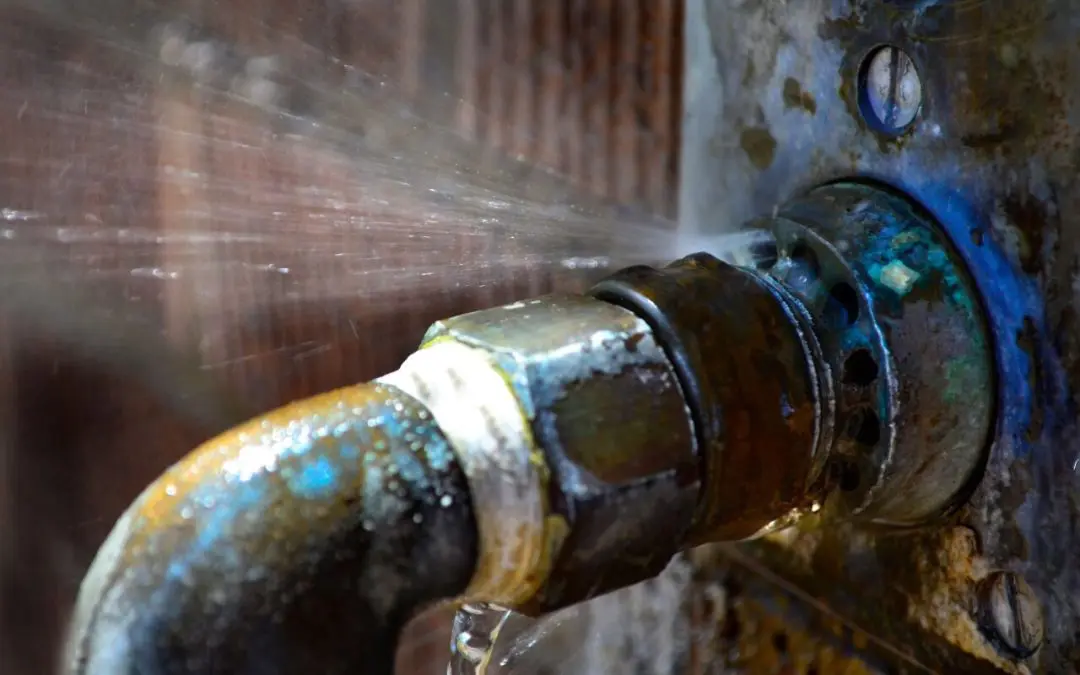
Updated guidance from TMK Inspections: Signs of a plumbing problem are not always dramatic. A slow drain, faint stain, unusual odor, or change in water pressure can be the first visible clue. Homebuyers should look for patterns and understand the limits of a visual inspection instead of relying on one isolated symptom.
1. Moisture stains, soft materials, or musty areas
Discoloration below bathrooms, around fixtures, inside sink cabinets, near water heaters, or along basement ceilings may indicate an active leak or evidence of a previous one. A dry stain still deserves context because the source may have been repaired—or may leak only under certain conditions.
2. Unexpected water use
An unusually high water bill or a meter that moves when fixtures are off can point to a concealed leak, running toilet, irrigation problem, or malfunctioning equipment. EPA WaterSense notes that worn fixtures, corrosion, irregular pressure, cold temperatures, and installation problems can all contribute to leaks.
3. Low or inconsistent water pressure
Weak pressure at one fixture may be a localized aerator or valve issue. Low pressure throughout the home can have several possible causes involving the water supply, piping, pressure regulation, or well equipment. A qualified plumber should diagnose the system rather than relying on a single symptom.
4. Repeated slow drains, gurgling, or sewer odors
One slow fixture may have a local obstruction. Several slow drains, recurring backups, gurgling, or sewer odors can indicate a larger drainage or venting concern. Older properties may benefit from a sewer scope inspection so the accessible sewer lateral can be viewed directly.
5. Constantly running or loose fixtures
Running toilets, dripping faucets, loose fixtures, and active leaks at supply or drain connections waste water and can damage cabinets, flooring, and nearby finishes. Check below sinks and around toilets for dampness, corrosion, staining, or movement.
6. Corrosion, mixed materials, or improvised repairs
Heavy corrosion, unsupported piping, temporary patches, abandoned components, and unusual material transitions warrant closer evaluation. Not every unconventional repair is actively leaking, but its condition and workmanship should be documented.
Common Plumbing Issues in Greater Philadelphia Homes
Homes across Philadelphia and the surrounding suburbs range from older rowhomes to newer construction, and plumbing systems are often modified over time. During inspections, we may encounter a combination of older and newer supply or drain materials, previous repairs, low-clearance basement piping, aging shutoff valves, and concealed service or sewer lines. A home’s age or location does not prove that a defect exists; the visible condition and performance of the system are what matter.
Properties outside municipal service areas may also rely on private wells or septic systems. Those components require additional testing or inspection beyond operating the home’s visible plumbing fixtures. Buyers should confirm the water source and waste-disposal system early so the right services can be scheduled.
What a Home Inspection Can Tell You
A home inspection evaluates visible and accessible plumbing components, operates representative fixtures, checks functional flow and drainage, and documents observed conditions on the inspection date. It does not replace invasive leak detection, destructive testing, water-quality laboratory analysis, a sewer scope, or a licensed plumbing diagnosis. When a concern is significant, concealed, or beyond the inspection scope, we may recommend specialist evaluation.
Questions Buyers Should Ask
- Is the property served by public water and sewer, or by a private well and septic system?
- Have there been recurring leaks, backups, frozen pipes, insurance claims, or major plumbing repairs?
- Where are the main water shutoff and accessible cleanouts?
- Would a sewer scope, water test, well-equipment inspection, or septic inspection be appropriate for this property?
Review the EPA’s WaterSense leak-detection guidance for additional homeowner information.
Need Clear Answers Before Buying?
TMK provides residential inspections, well and water testing, septic inspections, and sewer scope inspections across Greater Philadelphia, Southeast Pennsylvania, northern Delaware, and select South Jersey communities. Request an inspection or review our service areas.
Looking for a home inspector in the Philadelphia area? See our Chester County home inspection and Philadelphia home inspector pages for local planning details.
Reviewed by the TMK Inspections team in September 2026. All three TMK inspectors are InterNACHI Certified Professional Inspectors.