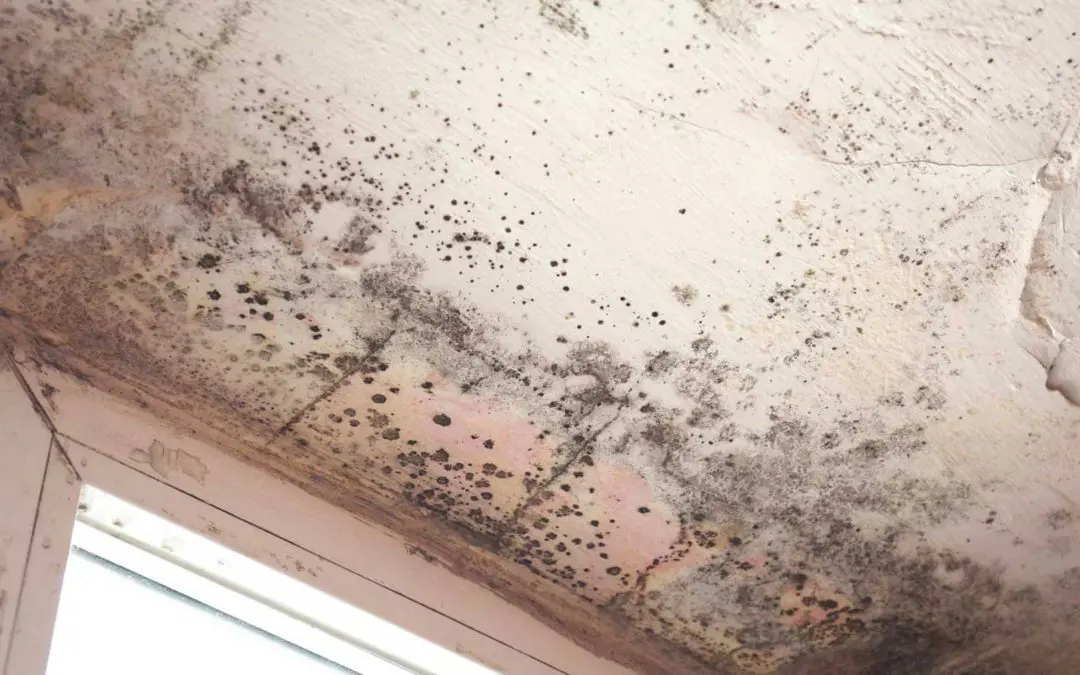
Mold concerns can make a home purchase feel uncertain, but a professional evaluation replaces assumptions with useful evidence. For buyers in Chester County, Delaware County, Philadelphia, and surrounding communities, mold testing may be appropriate when an inspection identifies visible growth, moisture damage, musty odors, or conditions that could support microbial growth.
Why Mold Concerns Are Common in Southeast Pennsylvania
The region’s humid summers, wet weather, basements, crawlspaces, and older housing stock create frequent opportunities for unwanted moisture. Roof leaks, plumbing failures, foundation seepage, condensation, poor ventilation, and past flooding can all provide the moisture mold needs.
Mold is not simply a surface-cleaning issue when the moisture source remains active. The first priority is understanding where moisture is coming from and whether affected materials require further evaluation or professional remediation.
When Mold Testing Makes Sense
Testing is most useful when it answers a specific question. Common reasons include:
- Visible staining or suspected growth that cannot be confidently identified
- A persistent musty odor without an obvious source
- Evidence of past or ongoing water intrusion
- A history of flooding, plumbing leaks, or extended vacancy
- Questions about whether indoor airborne mold levels differ from outdoor conditions
- A need to document conditions before or after remediation
Testing may not be necessary in every situation. When obvious growth and a clear moisture source are already present, a qualified remediation professional may be able to recommend next steps without additional sampling. The appropriate approach depends on the property and the purpose of the evaluation.
What Professional Mold Testing Involves
Air Sampling
Air samples collect a measured volume of indoor air for laboratory analysis. An outdoor control sample is commonly collected for comparison because mold spores occur naturally outside. The laboratory report identifies the types and relative quantities detected in each sample.
Surface Sampling
A swab or tape-lift sample may be collected from visible discoloration or suspected growth. Laboratory analysis can help determine whether the sampled material is fungal growth and identify the type detected.
Moisture Investigation
Sampling is only one part of a useful evaluation. Observations, moisture readings, thermal patterns, ventilation conditions, and the property’s history help place laboratory results in context. A number without context can create unnecessary concern or false reassurance.
Understanding the Limitations
Mold conditions can vary over time and from one area of a home to another. Finished walls, flooring, stored belongings, and inaccessible cavities limit what can be inspected or sampled. A mold test cannot guarantee that every concealed area has been evaluated or certify that a building is “mold free.”
Results should be interpreted alongside the visible condition of the property and any known moisture history. When testing or inspection findings indicate a significant concern, TMK may recommend further evaluation by a qualified indoor-environmental or remediation professional.
How Mold Testing Fits With a Home Inspection
A standard home inspection evaluates visible and accessible systems and components. Inspectors document moisture staining, active leaks, ventilation concerns, and visible conditions that may warrant additional attention. Mold testing adds laboratory information when visual observations alone cannot answer the buyer’s question.
Coordinating services during the same inspection period reduces scheduling friction and gives buyers more time to review results, obtain specialist opinions, and discuss their contractual options with their real-estate professionals.
Mold Testing Frequently Asked Questions
Is mold testing required when buying a home?
It is generally an optional inspection service rather than a routine legal requirement. Buyers should consult their real-estate and legal professionals about their contract and any property-specific disclosure requirements.
How quickly are results available?
Turnaround depends on the laboratory and the sampling plan. Standard laboratory processing commonly takes several business days, while expedited service may be available for time-sensitive transactions.
Does a positive result mean the home is unsafe?
Not by itself. Mold spores are common in the environment. The type, quantity, indoor-to-outdoor comparison, location, building conditions, and occupants’ individual health considerations all affect how a result should be evaluated.
What happens when a significant concern is found?
The next step is usually to correct the moisture source and obtain a scope from a qualified remediation professional. Buyers should avoid relying on cosmetic cleaning when damaged materials or an ongoing moisture problem remain.
How much does testing cost?
TMK’s current mold/air-quality service price is $350. See services and pricing for current options and call or text the team to discuss the property’s specific conditions.
Request Mold Testing
TMK Inspections helps buyers obtain clear information during the inspection period. Request your inspection or contact the team to discuss whether mold testing is appropriate for the property.