
Homeownership comes with ongoing responsibilities, and some issues demand immediate attention. Emergency home repairs are not just inconvenient problems; they could quickly escalate into major safety hazards and expensive damage if left unaddressed. Knowing which warning signs to take seriously helps homeowners protect their property, finances, and peace of mind. Acting quickly is often the difference between a manageable repair and a costly disaster.
Why Emergency Home Repairs Matter
Emergency home repairs refer to issues that pose a threat to the safety, structural integrity, or habitability of a home. These problems often develop quietly before becoming apparent, which is why early recognition is crucial. Water intrusion, electrical malfunctions, and structural damage can worsen rapidly, especially when ignored. Addressing these concerns promptly helps limit damage, reduce repair costs, and prevent disruptions to daily life.
Emergency Home Repairs Related to Water Damage
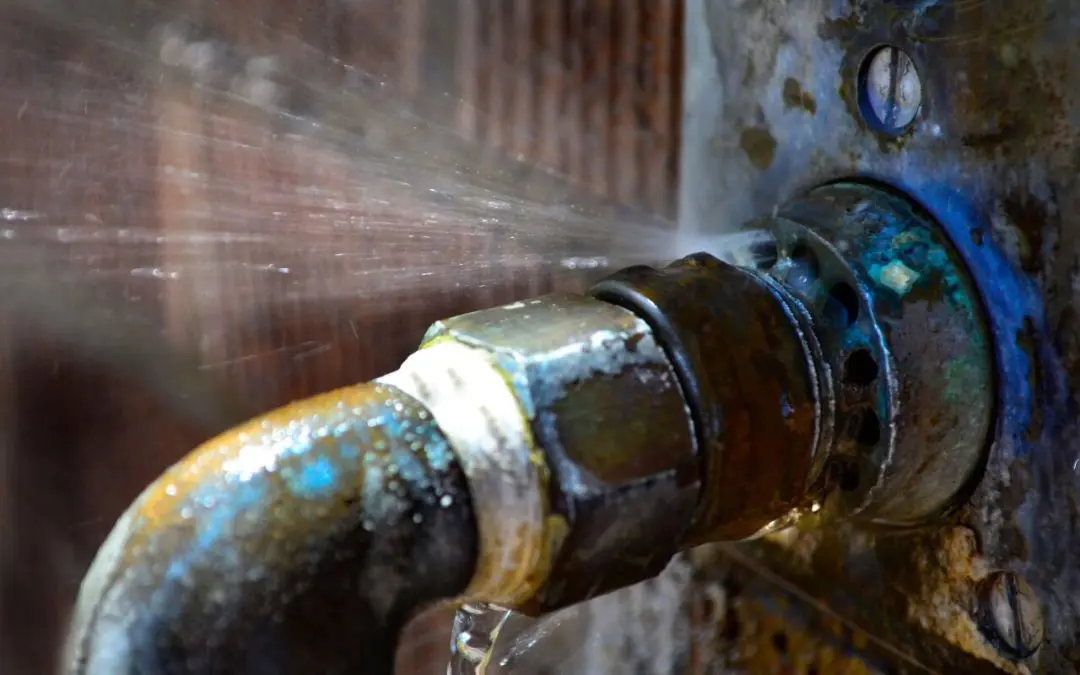
Few home issues are as destructive as uncontrolled water. Active leaks, burst pipes, or water stains on ceilings and walls should never be ignored. Even minor leaks could lead to mold growth, wood rot, and weakened structural components over time. Water damage can also compromise electrical systems and insulation, creating additional safety concerns. Emergency home repairs involving water require immediate action to stop the source and assess the extent of damage before it spreads further.
Electrical Issues That Require Immediate Attention
Electrical problems are among the most dangerous emergency home repairs homeowners face. Flickering lights, burning smells, buzzing outlets, or frequently tripped breakers may indicate overloaded circuits or faulty wiring. These issues significantly increase the risk of electrical fires. Older homes are especially vulnerable, but even newer homes could experience problems due to improper installations or damaged components. Electrical concerns should always be evaluated by a qualified professional to guarantee safety and code compliance.
Structural Problems You Should Never Overlook
Cracks in walls or foundations, sagging floors, and sticking doors or windows may point to underlying structural issues. While some settling is normal, sudden or widening cracks may signal serious problems. Structural damage affects the stability of the entire home and can worsen if left unaddressed. Emergency repairs involving foundations or load-bearing elements should be addressed promptly to prevent further deterioration and protect the long-term value of the property.
HVAC Failures and Indoor Safety Concerns
Heating and cooling systems play a vital role in maintaining a safe indoor environment. A complete HVAC failure during extreme temperatures could quickly become an emergency, particularly for households with children, elderly occupants, or pets. Additionally, malfunctioning systems may contribute to poor indoor air quality or increase the risk of carbon monoxide exposure. Unusual noises, inconsistent temperatures, or unexplained increases in utility bills all indicate problems that require immediate attention.
Fire and Gas-Related Emergencies
Fire hazards and gas-related issues are among the most urgent emergency repairs. Gas odors, malfunctioning appliances, or damaged venting systems should always be treated as emergencies. These situations pose immediate risks to occupants and should be addressed as soon as possible. Functional smoke detectors and carbon monoxide alarms are essential, but they are only effective when paired with timely repairs and professional evaluations.
Taking a Proactive Approach to Emergency Home Repairs
While emergencies cannot always be predicted, proactive maintenance plays a critical role in prevention. Regular inspections, prompt repairs, and attention to warning signs help reduce the likelihood of sudden failures. Establishing relationships with trusted professionals before emergencies arise will save time and stress when urgent situations occur. Staying proactive allows homeowners to respond confidently when emergency home repairs are needed.
Frequently Asked Questions (FAQs)
What qualifies as an emergency home repair?
Emergency home repairs involve issues that pose a threat to the safety, health, or structural integrity of a home. Common examples include active water leaks, electrical hazards, gas issues, and significant structural damage.
Can emergency repairs wait until normal business hours?
Some minor issues can wait briefly, but anything involving water intrusion, fire risk, or loss of essential systems should be addressed immediately. Delaying repairs often leads to greater damage and higher costs.
How can homeowners prepare for emergency repairs?
Preparation includes routine maintenance, knowing the location of shut-off valves and breaker panels, and having contact information for licensed professionals readily available.
Does insurance typically cover emergency home repairs?
Coverage depends on the cause of the damage and the specific terms of the homeowner’s policy. Sudden and accidental damage is more likely to be covered than issues caused by neglect or lack of maintenance.
Why is quick action so important during a home emergency?
A fast response helps limit damage, reduce safety risks, and prevent minor problems from escalating into major repairs. Early intervention is often the most cost-effective solution.
TMK Inspections offers inspection services in Southeast Pennsylvania. If you’re buying or selling a home, contact us to request an appointment.