
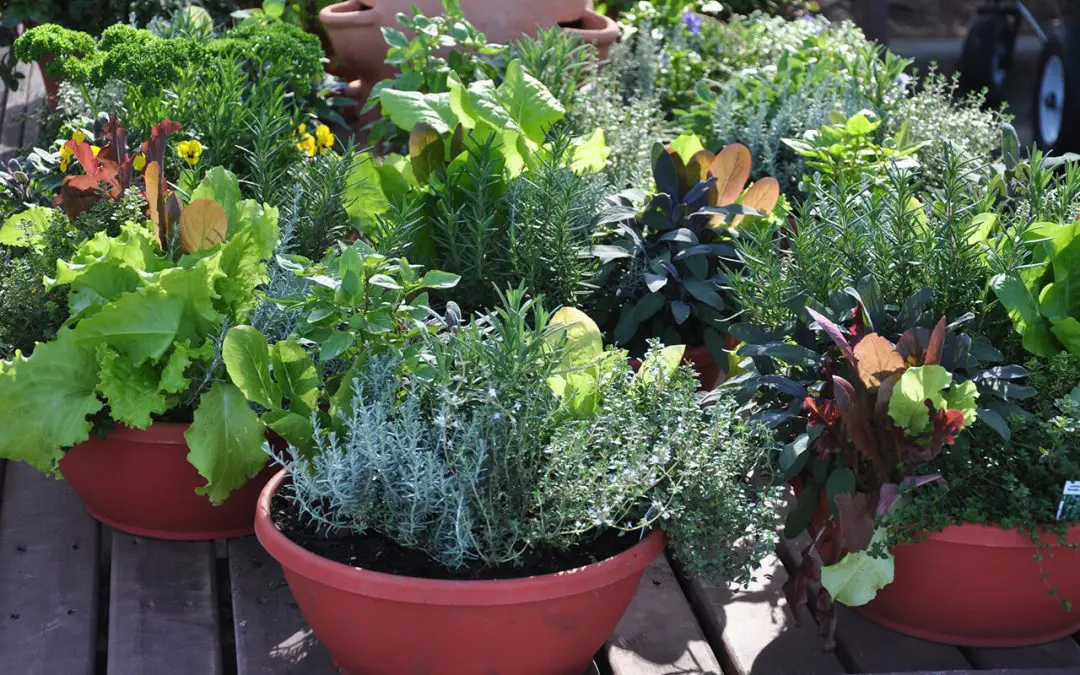
Container gardening is one of the most versatile and rewarding ways to bring greenery into any home. Whether working with a spacious patio or a compact balcony, container gardening allows homeowners to grow flowers, herbs, and even vegetables with flexibility and control. With the right approach, even beginners can create a vibrant and productive garden without needing a traditional yard.
Why Container Gardening Is Perfect for Homeowners
Container gardening offers a level of convenience that traditional gardening often cannot match. It allows full control over soil quality, sunlight exposure, and watering routines. Containers can be moved easily to follow the sun or protect plants from harsh weather, making it ideal for changing conditions. This method also helps avoid common issues like poor soil quality or invasive weeds. For homeowners looking to enhance outdoor aesthetics or grow fresh produce, container gardening provides a manageable and customizable solution.
Choosing the Right Containers
The success of container gardening starts with selecting appropriate containers. Size matters more than many realize. Larger pots retain moisture better and give roots room to grow, while smaller ones may dry out quickly. Material also plays a role. Clay pots are breathable but dry faster, while plastic containers retain moisture longer. Drainage is essential regardless of material. Containers must have holes at the bottom to prevent water logging, which may damage roots. Repurposed items like wooden crates or metal buckets also work well, as long as proper drainage is ensured. The goal is to create a healthy environment where plants will thrive without restriction.
Soil and Fertilizer Tips for Container Gardening Success
Unlike traditional gardening, container gardening relies entirely on the soil provided. Regular garden soil is often too dense for containers, so a high-quality potting mix is essential. These mixes are designed to retain moisture while allowing proper aeration. Nutrients in containers deplete faster because of frequent watering. Using a balanced fertilizer helps maintain plant health and encourages growth. Slow-release fertilizers are especially helpful, as they provide consistent nutrients over time. Keeping soil healthy is key to successful gardening. Refreshing or replacing potting mix each season ensures plants continue to receive the nutrients they need.
Watering Techniques for Container Gardening
Watering is one of the most critical aspects of container gardening. Containers dry out more quickly than ground soil, especially in warm or windy conditions. Regular monitoring is necessary to maintain proper moisture levels. A simple way to check is by feeling the top inch of soil. If it feels dry, it is time to water. Deep watering is more effective than frequent light watering, as it encourages roots to grow deeper and stronger. Consistency is important, but overwatering should be avoided. Proper drainage ensures that excess water does not accumulate and harm the plants.
Sunlight and Plant Selection
Different plants have different sunlight requirements, and container gardening makes it easier to meet them. Containers can be repositioned to maximize exposure or provide shade when needed. Selecting plants suited to the available light conditions is essential. Herbs like basil and vegetables like tomatoes thrive in full sun, while plants like ferns prefer shade. Mixing plants with similar needs in the same container helps maintain consistent care. Understanding sunlight patterns around the home allows homeowners to make the most of container setups.
Common Mistakes to Avoid in Container Gardening
Even though container gardening is relatively simple, a few common mistakes can hinder success. Using the wrong soil, neglecting drainage, or overcrowding plants may lead to poor growth. Ignoring plant-specific needs is another frequent issue. Each plant requires a certain amount of light, water, and space. Paying attention to these factors helps prevent unnecessary problems. Regular maintenance, including pruning and checking for pests, keeps plants healthy and ensures a thriving container garden.
Frequently Asked Questions (FAQs)
What plants grow best in container gardens?
Herbs like basil and mint, vegetables like peppers and tomatoes, and flowers like petunias and marigolds all perform well in container garden setups.
How often should plants be watered in container gardens?
Watering depends on climate, container size, and plant type, but most containers need watering when the top inch of soil feels dry.
Can container gardening work indoors?
Yes, container gardens works well indoors if plants receive enough sunlight or supplemental lighting.
Do containers need special soil?
Yes, a well-draining potting mix is recommended for container gardening rather than regular garden soil.
Is fertilizer necessary for container gardening?
Fertilizer helps replenish nutrients that wash away during watering, making it important for long-term plant health.
TMK Inspections offers inspection services in Southeast Pennsylvania. If you’re buying or selling a home, contact us to request an appointment.