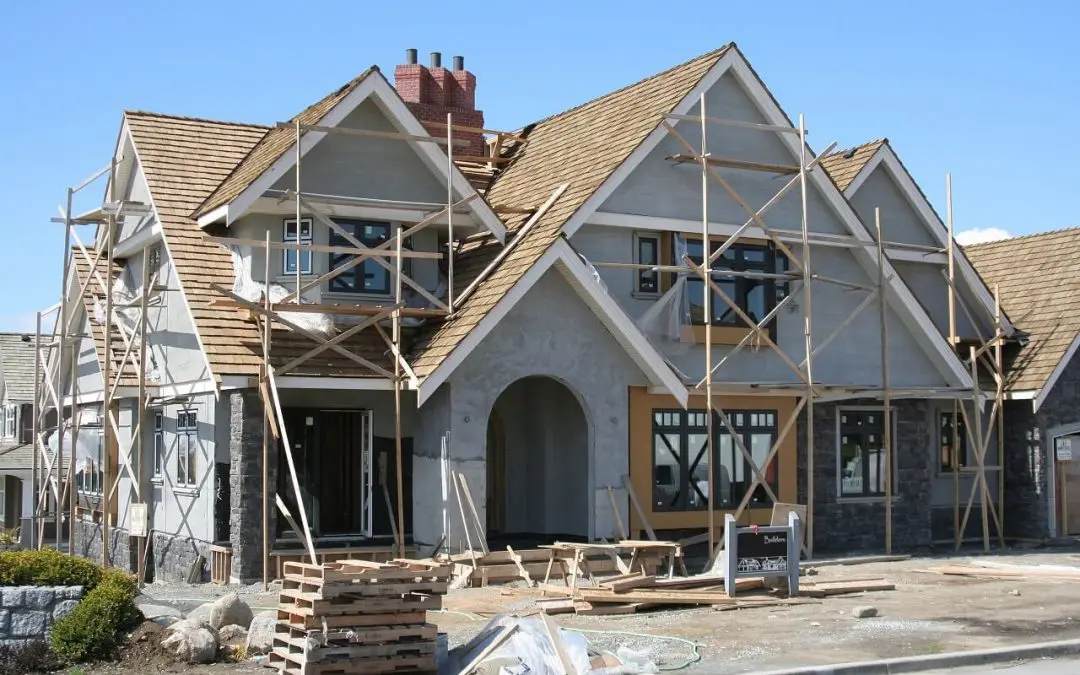
New construction gives buyers a rare opportunity to evaluate work at more than one stage. Municipal inspections and builder quality-control processes are important, but they do not replace an independent inspection performed for the buyer. Strategic inspections can identify visible concerns while corrections are easier to make and before key components are concealed.
1. Pre-Drywall Framing and Rough-In Work
A pre-drywall inspection takes place after framing and major mechanical rough-ins are installed but before insulation and drywall cover them. The inspector can evaluate visible framing, roof structure, plumbing and electrical routing, HVAC ductwork, penetrations, fire blocking, and other accessible work.
Timing matters. Confirm the builder’s access rules and schedule enough time for the inspection and written report before drywall installation begins. Learn more about TMK’s new-construction and pre-drywall inspections.
2. Exterior Drainage and Weather Protection
Roof coverings, flashing, wall penetrations, windows, doors, grading, gutters, and drainage details help manage water. Even a new home can develop moisture problems when materials are incomplete, damaged, or improperly installed. Observing these components before closing gives the builder an opportunity to address visible concerns.
3. Electrical, Plumbing, and HVAC Systems
At the final inspection stage, the inspector operates accessible fixtures, receptacles, switches, heating and cooling equipment, plumbing fixtures, and other installed components. The evaluation may identify leaks, improper connections, missing safety devices, damaged materials, or equipment that does not respond as expected.
Some systems may not be fully operational at pre-drywall, and utilities may not yet be connected. That is why pre-drywall and final inspections answer different questions.
4. Insulation, Ventilation, and Air Sealing
Insulation and ventilation details affect comfort, moisture management, and energy use. At accessible areas, an inspector may observe incomplete coverage, blocked ventilation paths, unsealed penetrations, disconnected exhaust ducts, or other visible installation concerns. Finished surfaces can make some of these details difficult or impossible to observe later.
5. Final Completion and Safety Items
Before closing, the home should be evaluated as a functioning system. The inspector documents visible conditions involving stairs and guards, windows and doors, appliances, garage separation, smoke and carbon-monoxide alarms, drainage, finishes, and other accessible components.
A cosmetic builder walkthrough and a home inspection serve different purposes. The walkthrough commonly addresses finish quality and completion items, while the independent inspection evaluates accessible systems and safety-related conditions.
Consider More Than One Inspection Stage
Depending on construction progress and the builder’s policies, a buyer may consider:
- Pre-drywall inspection: before insulation and drywall conceal framing and rough-ins
- Final inspection: after utilities are active and the home is substantially complete
- Warranty inspection: before the builder’s warranty period expires, when appropriate
No inspection can guarantee perfect construction or determine compliance with every code requirement. It provides an independent visual assessment of accessible conditions at that stage.
Frequently Asked Questions
Does a municipal inspection make an independent inspection unnecessary?
No. Municipal inspections serve the jurisdiction and focus on applicable requirements at specific construction stages. An independent inspection is performed for the buyer and provides a detailed report of visible conditions.
When should I schedule the pre-drywall inspection?
Coordinate with the builder as soon as rough framing and mechanical installations approach completion. The inspection must occur before insulation or drywall limits visibility.
What if the builder limits access?
Review the purchase agreement and builder policies early. Ask about approved inspection stages, required notice, site-safety rules, and whether the inspector must provide credentials or insurance documentation.
Should I attend?
Attend when the builder permits it. Your inspector can explain observations and help you understand what may be evaluated again at the final stage.
Schedule a New-Construction Inspection
TMK provides independent inspections for homebuyers across its service area. Review current services and pricing, see what a TMK report looks like, or request your inspection. Call or text the team early so the appointment fits the builder’s construction schedule.