
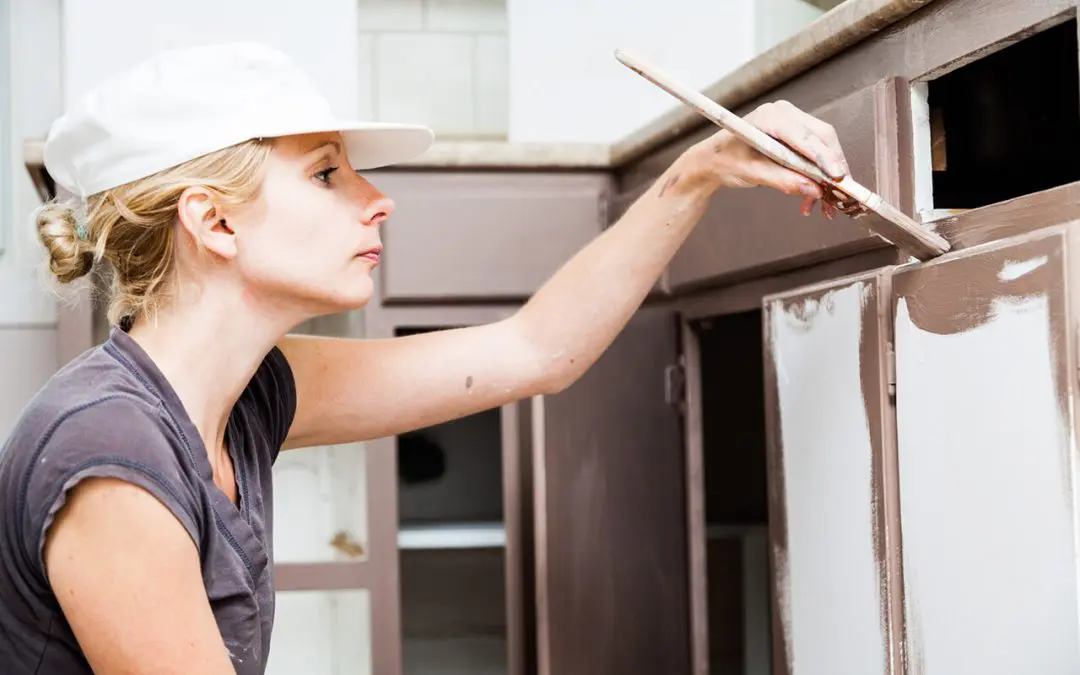
Kitchen cabinets take up more visual space than almost anything else in the room, so when they look tired, the whole kitchen does. The good news is that you don’t need to replace them to get a new look. Cleaning, painting, and updating hardware can transform dated cabinets for a fraction of the cost. A weekend of work and some patience can make a kitchen feel brand new. Here is how to refresh your kitchen cabinets and get results that last. With the right approach, a refresh can make a surprising difference in how the kitchen feels.
Start With a Close Look at Your Kitchen Cabinets
Before you pick up a brush, check the condition of the boxes and doors. Look for loose hinges, warped doors, water damage, and peeling finishes. Solid wood and good-quality plywood are great candidates for painting or refinishing. Cabinets with bubbling laminate or crumbling particleboard may be harder to save. Open every door and drawer to see how they operate. Knowing what you are working with helps you set a realistic budget and decide whether to refresh, reface, or replace. Think about how long you plan to stay in the house, since that affects how much you should spend. If you are keeping the layout, refreshing is the most cost-effective path. Take photos of the cabinets before you start, so you can compare the before and after and remember how everything fits together.
Clean and Prep the Surfaces Thoroughly
Prep makes or breaks any project on kitchen cabinets. Remove doors, drawers, and hardware, and label each piece so everything goes back in the right spot. Clean with a degreaser, since years of cooking leave a film that keeps paint from sticking. Fill dings and old screw holes with wood filler, then sand lightly to scuff the finish. Wipe away dust with a tack cloth. Apply a bonding primer made for cabinets, which helps paint stick to slick surfaces. Skipping any of these steps leads to peeling. Work in a well-ventilated space, and set up a spot where the doors can lie flat and dry without being touched. Number each door and drawer on the back with painter’s tape, and bag the hinges and screws with matching labels. Take your time, because even small mistakes show on a cabinet’s flat surface.
Choose Paint and Hardware That Last
Use a durable paint made for cabinets, such as a satin or semi-gloss enamel, which holds up to fingerprints and scrubbing. Apply thin coats with a small roller and a quality brush, and let each coat dry fully before adding the next. Plan for two coats. Once the paint has cured, replace dated knobs and pulls. New hardware is an inexpensive way to change the look of your kitchen cabinets. Measure the spacing between existing holes so the new pieces fit without drilling. Sand lightly between coats to get a smooth finish, and wipe the dust off before you paint again. Hang doors only after they are fully dry to the touch, and let the paint cure for several days before you reattach them. Consider a color that blends with your countertops and flooring.
Keep Your Kitchen Cabinets Looking Fresh
Install soft-close hinges and add under-cabinet lighting to brighten the workspace. Consider replacing a few solid doors with glass fronts for a lighter look, or add open shelving in one section. Cabinets need gentle care after painting. Avoid harsh cleaners, wipe up spills quickly, and give the paint a few weeks to harden before heavy use. Check hinges and screws once a year and tighten them as needed. With some care, your refreshed kitchen cabinets will look good for years. Even small upgrades such as cabinet liners, pull-out organizers, and drawer dividers make a kitchen function better. These add value for little money and make cooking more pleasant. If you plan to sell someday, neutral colors tend to appeal to the widest range of buyers.
Frequently Asked Questions (FAQs)
Can I paint kitchen cabinets myself?
Yes. The key is thorough cleaning, sanding, and priming, followed by thin coats of cabinet-grade paint. Take your time on the prep, and the results will show.
How long does it take to paint kitchen cabinets?
Most projects take a weekend or longer, because primer and paint need time to dry between coats. Cure time matters as much as paint time.
Should I paint or reface cabinets?
Painting is cheaper and easier. Refacing replaces doors and veneers, which costs more but changes the style. Refacing makes sense if your layout is perfect.
What paint finish is best for kitchen cabinets?
Satin or semi-gloss enamel resists stains and cleans easily. Pick a paint labeled for cabinets or trim.
How can I update cabinets without painting?
Replace hardware, add under-cabinet lighting, or swap a few doors for glass or open shelving. Small changes can have a large impact.
TMK Inspections offers home inspection services in Southeast Pennsylvania. If you’re buying or selling a home, contact us to request an appointment.