
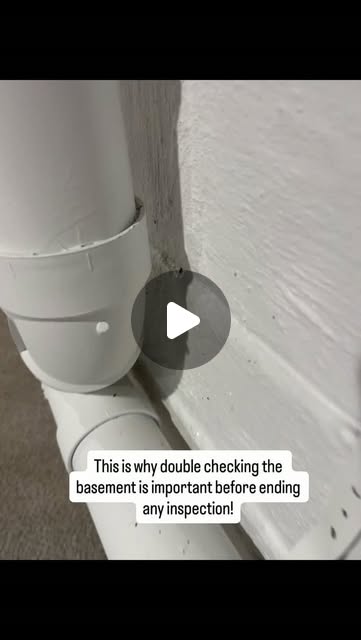
During a recent home inspection in Yardley, I returned to the basement before wrapping up. By that point, fixtures on the upper levels had been operated and water had moved through the drainage system.
That final recheck revealed active water near a cast-iron drain stack connected to an upper-level bathroom.
The condition was not obvious during the first pass through the basement. It became visible only after the plumbing had been used. That is why I make a habit of revisiting lower-level plumbing areas before an inspection ends.
Why timing matters
Some leaks appear only while a fixture is operating. Others become visible after a tub, sink, shower or toilet has drained. A single snapshot in time may not show what happens after the system has been put under normal use.
A final recheck can help identify:
- active dripping or moisture at accessible drain connections;
- water appearing below an upper-level bathroom or kitchen;
- staining that becomes wet after fixtures are operated; and
- conditions that warrant further evaluation by a qualified plumbing contractor.
What the inspection can—and cannot—establish
A visual home inspection documents conditions that are visible and accessible at the time of the inspection. When water is observed near a drain stack, the report should describe what was visible, explain the limitation, and recommend the appropriate follow-up.
The exact source may be concealed or may require disassembly, specialized testing or repair work that is outside the scope of a visual inspection. In this case, further evaluation by a qualified plumbing contractor was appropriate.
The practical takeaway
Running fixtures is only part of the process. Taking another look after the water has moved through the system can provide useful information that was not available during the first walkthrough.
That extra pass takes time, but it can make the difference between documenting an active condition and leaving without seeing it.
TMK Inspections serves Philadelphia, Bucks County, Chester County, Delaware County, Montgomery County, Lancaster County, Berks County, northern Delaware and select South Jersey communities. Request an inspection or review our home inspection process.
Recent Comments