
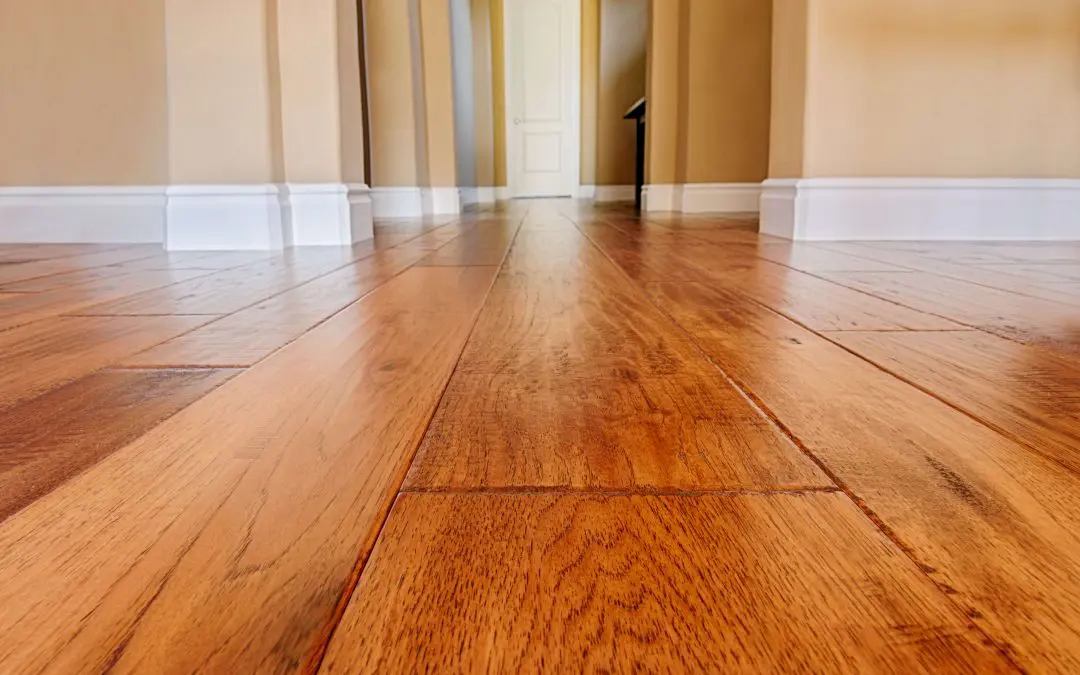
Original hardwood floors are one of the most prized features of an older home, and with the right care, they can last another hundred years. Many homes in the Philadelphia area still have the floors they were built with, sometimes hidden under carpet or a tired finish, and a little knowledge goes a long way toward keeping them beautiful. Caring for hardwood floors doesn’t require special equipment or expensive products. It mostly comes down to controlling moisture, cleaning gently, and protecting the surface from everyday wear. Here’s how to do it well.
How to Clean Hardwood Floors the Right Way
Dust and grit are the real enemies, because they act like sandpaper under foot traffic. Sweep or use a microfiber dust mop several times a week, and vacuum with a hard-floor setting or a soft brush head, never a beater bar. For deeper cleaning, use a barely damp mop with a pH-neutral cleaner made for wood, and wipe up spills right away. Work in the direction of the boards, and keep a dry towel handy for quick cleanups. Skip steam mops, which force moisture and heat into the seams and can cloud the finish or lift boards. Avoid wax-based or oil-soap products on a modern polyurethane finish, since they leave a film that makes later refinishing harder.
Control Moisture and Humidity
Older homes often have drafts and uneven heating, so seasonal movement can be more noticeable than in newer construction. Wood expands and contracts with the seasons, which is why you may see small gaps in winter and slight cupping in humid weather. Hardwood floors perform best when indoor humidity stays between roughly 35 and 55 percent, so run a humidifier in dry winter months and a dehumidifier in summer if needed. Use mats under pet bowls and plant pots, and wipe up wet shoes and boots at the door. If boards stay cupped or stained dark, look for a moisture source such as a plumbing leak or a damp basement, because the floor is usually showing you a problem below.
Everyday Habits That Protect Hardwood Floors
Small habits prevent most of the damage. Put felt pads under every chair and table leg, and replace them as they wear. Place rugs at entrances to catch grit, and choose breathable pads, since rubber backing can discolor some finishes. Ask guests to skip high heels and cleats, keep pet nails trimmed, and lift furniture rather than dragging it. Rolling chairs deserve special attention, so use a chair mat or swap hard plastic casters for soft rubber ones. Sunlight can fade wood over time, so rotate rugs and furniture occasionally and use curtains during the brightest part of the day.
Know When to Refinish and When to Repair
A simple water test tells you a lot. Place a drop of water on the floor; if it beads up, the finish is protecting the wood, and if it soaks in, the finish has worn thin. A dull but intact surface can usually be screened and recoated every few years, which refreshes the finish without removing much wood. Deep scratches, gray areas, and bare spots call for a full sanding and refinish. Solid hardwood floors in older homes can often be sanded several times, which is one of their biggest advantages, but this job is best left to an experienced professional. If an older floor was waxed in the past, ask the refinisher to test how the existing finish will react to a new coating before work begins.
Frequently Asked Questions (FAQs)
Can I clean hardwood floors with vinegar and water?
It’s a common home remedy, but the acid can dull some finishes over time, especially on older floors. A pH-neutral cleaner made for hardwood is the safer choice, and a barely damp mop is always better than a wet one.
Are steam mops safe for hardwood?
No. Steam pushes heat and moisture into the seams, which can cloud the finish, lift boards, and cause cupping. Stick with a lightly damp microfiber mop and a gentle cleaner.
How do I hide minor scratches?
Wood filler sticks, stain markers, or a touch-up kit matched to your floor color can disguise light scratches. More serious damage may need professional repair.
How often should floors be refinished?
Recoating every five to ten years is typical, depending on traffic and finish type. A full sanding is only needed when the finish is worn through to bare wood or the floor has deep damage.
Can I keep hardwood floors with pets?
Yes. Trim nails, use rugs in high-traffic areas, and clean up accidents quickly, because pet urine can stain and damage wood if left to soak in.
TMK Inspections offers home inspection services in Southeast Pennsylvania. If you’re buying or selling a home, contact us to request an appointment.